
Board Certified
American Board of Dermatology
Consult Dermatology — New York
Your Skin Has a Story.We Read It First.
Diagnosis before treatment — always. Our board-certified dermatologists examine every pore, pigment shift, and texture change under medical-grade light before recommending a single unit of anything.
No protocols handed down from a binder. No pressure. Just a physician, a hand mirror, and an honest conversation about what your skin actually needs.
4,200+
Assessments completed
12 yrs
Average specialist experience
97%
Would recommend
01 / Our Specialists
Meet the Physicians
Three specialists. Three distinct disciplines. One shared principle: understand the skin in front of them before recommending a single treatment.
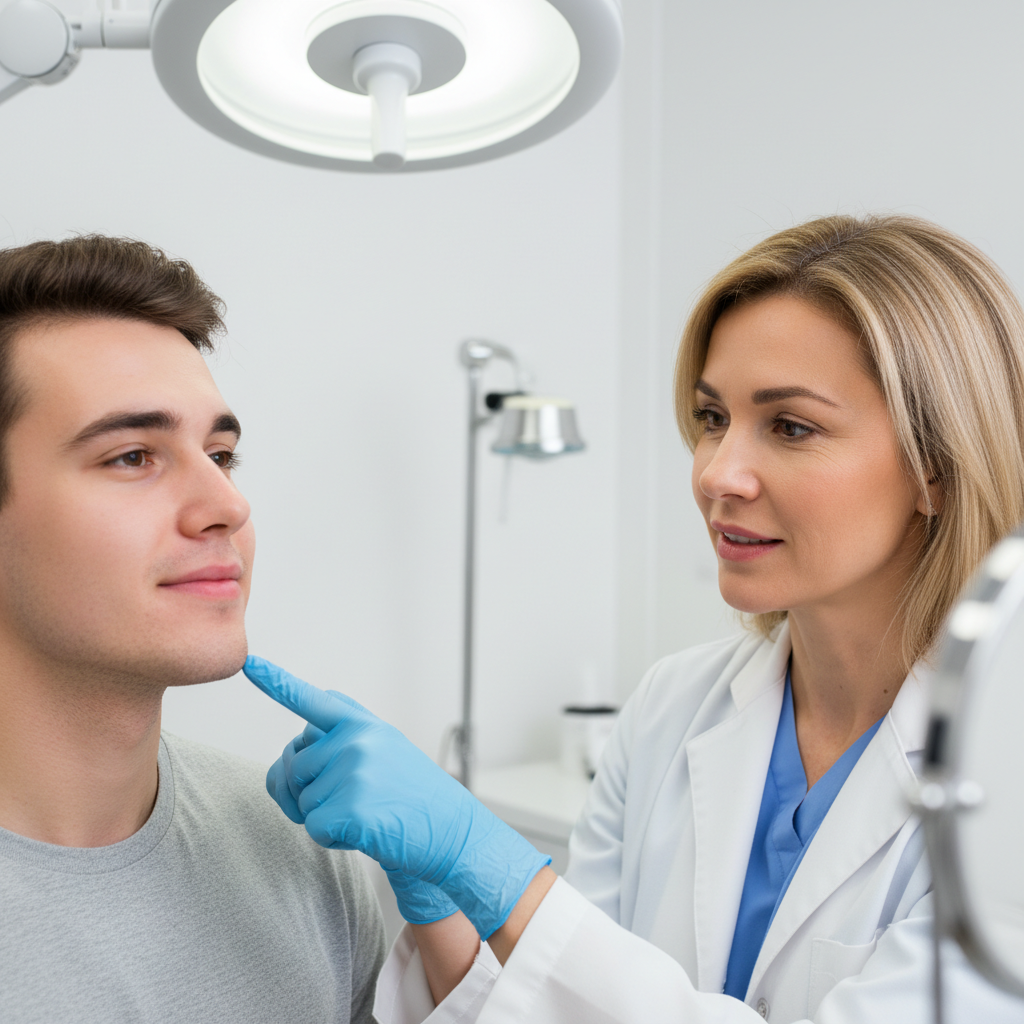
Melanin & Pigmentation
MD, FAAD
Dr. Mei-Ling Chen
Melanin & Pigmentation
"Every complexion has its own light physics."
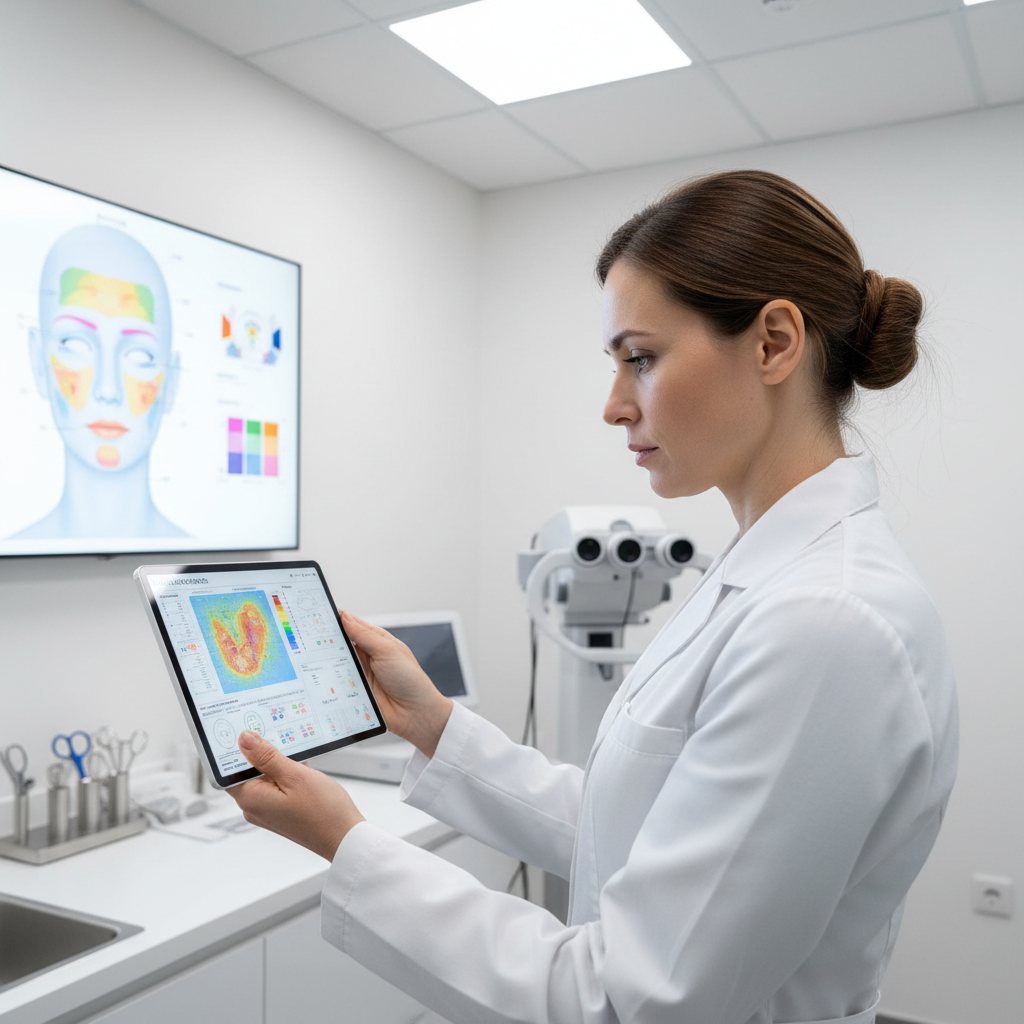
Dr. Chen completed her fellowship in pigmentary disorders at Mount Sinai and has spent 14 years developing protocols that work with — not against — melanin-rich skin. She maps hyperpigmentation, melasma, and post-inflammatory discoloration before recommending any brightening approach, because treating the symptom without diagnosing the trigger is the most expensive mistake in dermatology.
Areas of Focus
"Will brightening treatments leave me with worse discoloration?"
Incorrectly calibrated lasers or acids applied to melanin-rich skin without proper assessment can trigger rebound hyperpigmentation. That's precisely why we map your melanin response first — using a Wood's lamp and reflectance confocal imaging — before selecting any treatment modality.
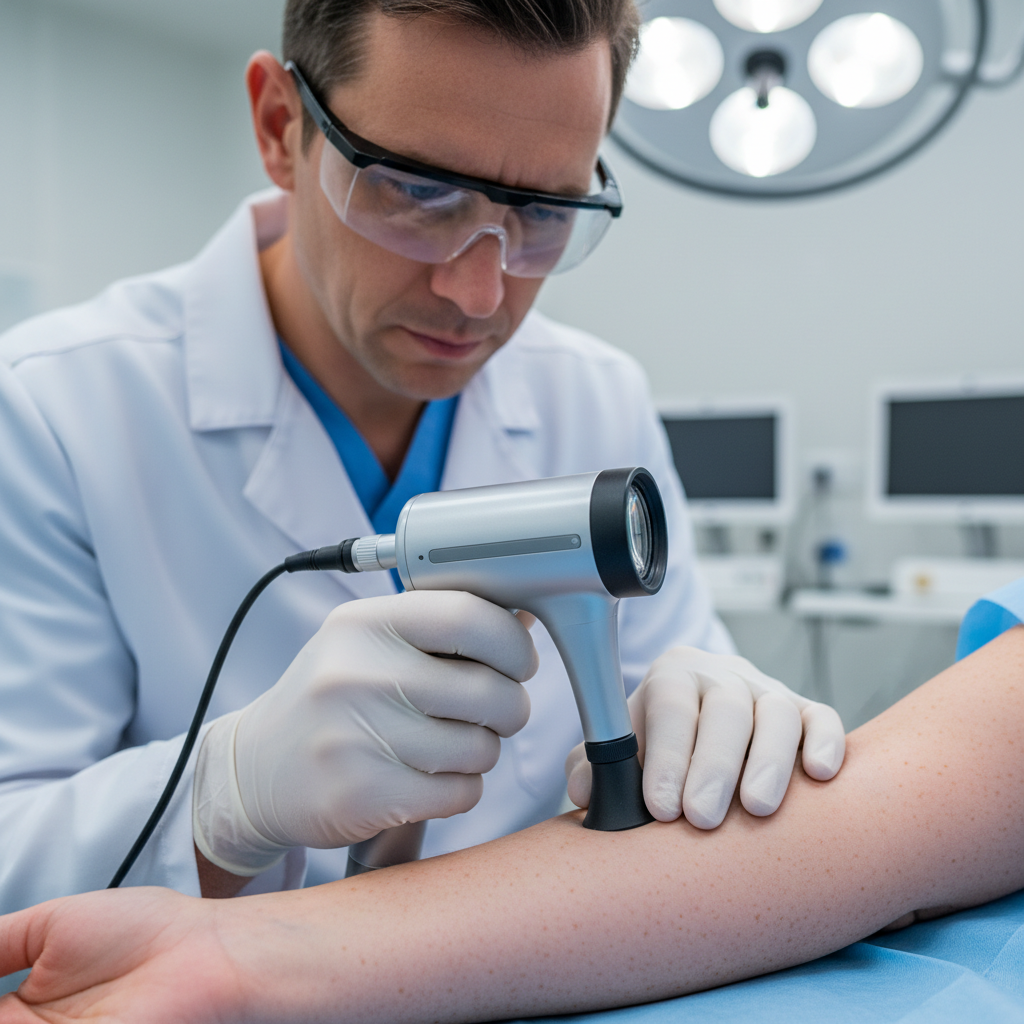
Medical Laser Surgery
MD, PhD
Dr. Emeka Okafor
Medical Laser Surgery
"Light is a scalpel. Precision is the technique."
Dr. Okafor trained in photomedicine at Harvard Medical School and holds a PhD in biomedical optics. His approach to laser treatment begins with a full tissue analysis — identifying the chromophore target, measuring epidermal thickness, and calculating thermal relaxation time before selecting wavelength, fluence, or pulse duration. Patients don't walk out red and guessing. They walk out with a documented treatment rationale.
Areas of Focus
"How long until I see results — and will there be downtime?"
It depends entirely on what we're treating. Superficial pigmentation responds in 7–10 days. Textural resurfacing shows progressive improvement over 90 days as collagen remodels. We give every patient a written timeline at their assessment — specific to their skin, not a generic handout.
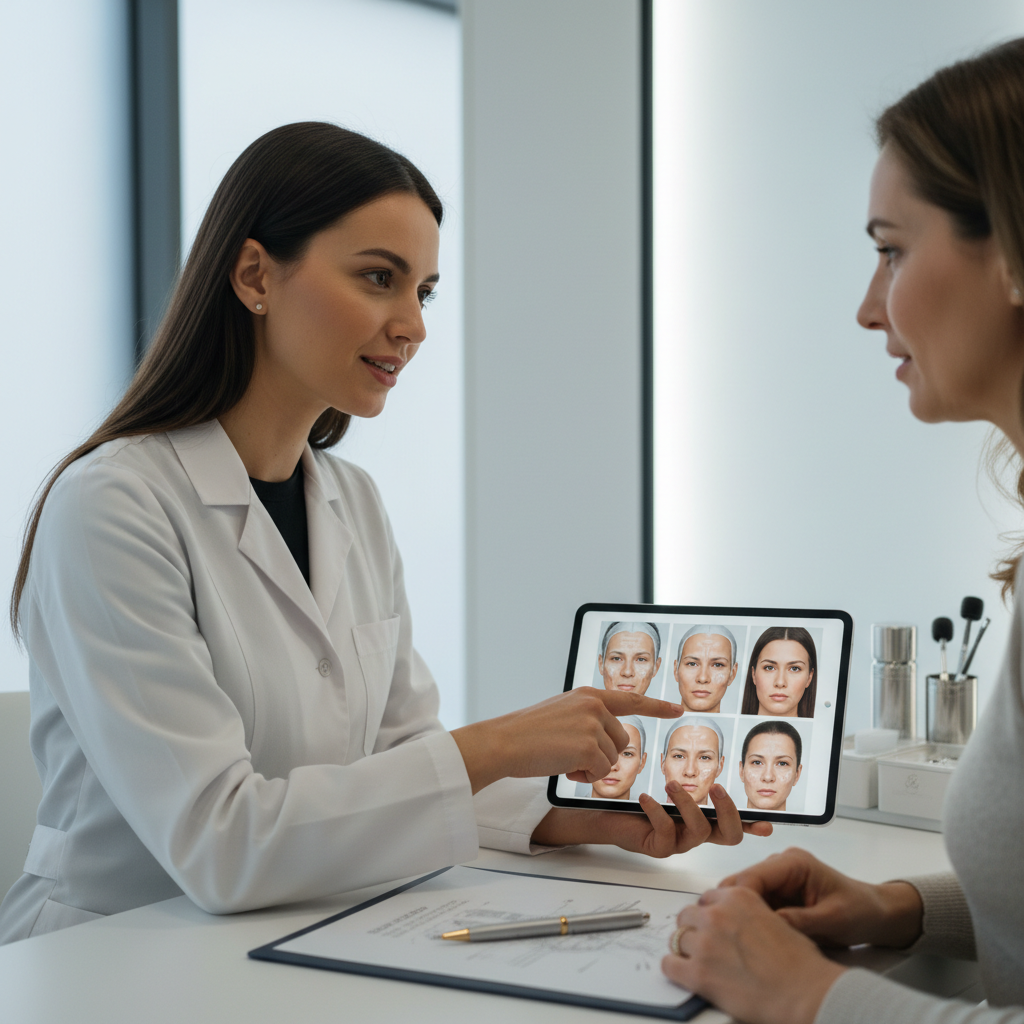
Injectable Medicine
MD, FAAD
Dr. Isabela Vásquez
Injectable Medicine
"The goal is not to look different. It's to look like yourself."
Dr. Vásquez trained in facial anatomy under three fellowship directors before practicing independently. She photographs patients in five different lighting conditions and maps facial thirds before touching a syringe. Her "invisible work" philosophy means colleagues won't notice a thing — only that something is quietly, inexplicably right about the way a face has aged.
Areas of Focus
"Will I look frozen? I'm terrified of looking like I've had work done."
That fear is completely reasonable — and it's the first thing we discuss. The "frozen" look is a dosing and placement problem, not an inevitable outcome. We use the minimum effective dose, placed with anatomical precision, and always build conservatively over multiple sessions.
02 / Patient Stories
What Changes When You're
Properly Diagnosed First
These aren't before-and-after photos. They're accounts of what happens when treatment follows understanding.
"
I'd been treating the wrong thing for three years. Dr. Chen looked at my skin under their imaging system for five minutes and explained exactly why my previous treatments kept failing. For the first time, someone gave me a diagnosis — not just a product.
Outcome
70% reduction in melasma coverage
Timeline
4 months

Catherine M.
Age 42
"
I was very clear: I didn't want to look like I'd had anything done. Dr. Vásquez photographed my face from six angles before we discussed options. Three months later, two colleagues told me I looked 'well-rested.' That was exactly the goal.
Outcome
Natural-looking restoration, zero detection
Timeline
6 weeks

James O.
Age 51
"
Dr. Okafor explained the science behind why my scarring was the type that responds to laser versus peels. He gave me a written timeline: 30% improvement by week 6, 60% by month 4. He was right on both counts. I wish I'd come here first.
Outcome
65% scar improvement with documented timeline
Timeline
5 months
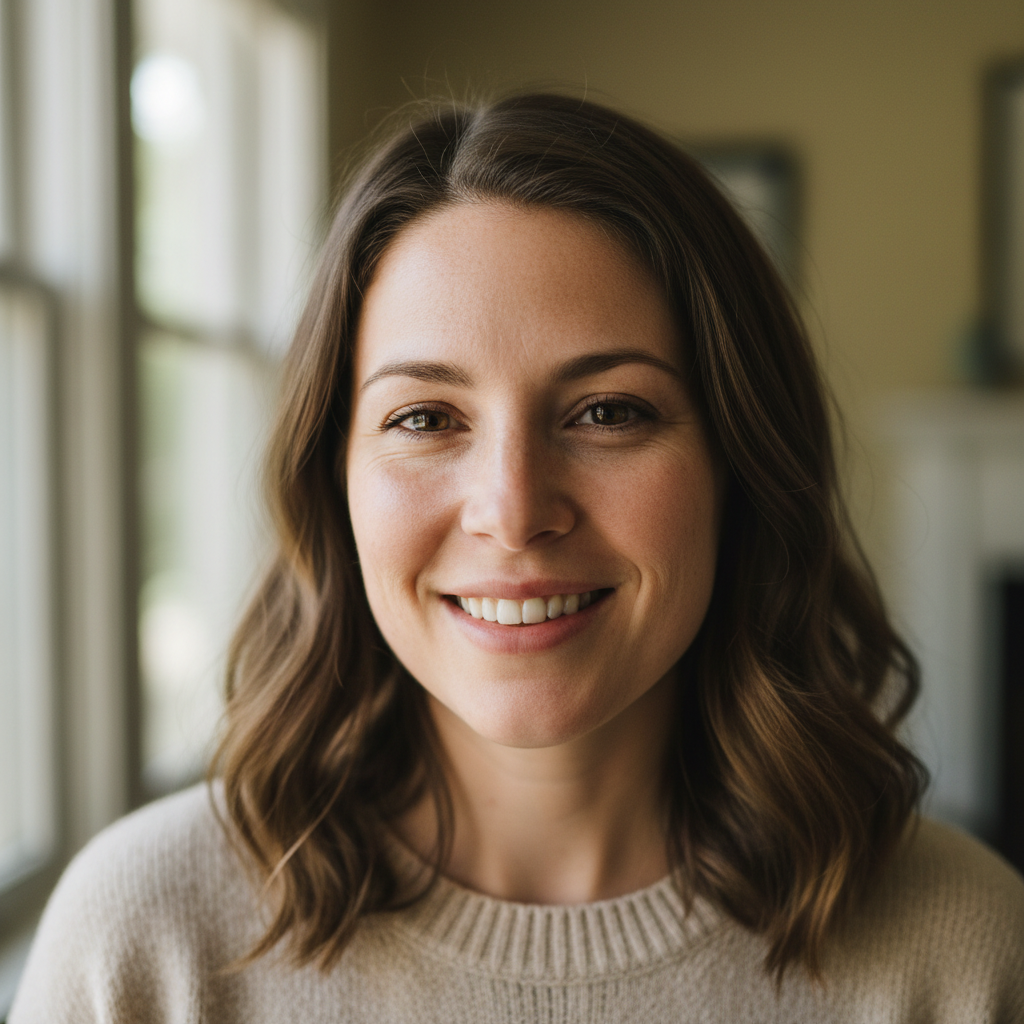
Priya N.
Age 34
03 / Begin Your Assessment
Book a Skin Assessment
A 60-minute diagnostic consultation. No treatment pressure. Just a thorough, honest evaluation of what your skin is doing and why.
What brings you in?
Select your primary concern. You can discuss additional areas during your assessment.
04 / Treatment Guide
Not Ready to Book?
Read First.
Our 28-page Treatment Guide is what we hand patients before their first consultation. It explains the questions worth asking, the claims worth scrutinizing, and the timeline expectations that separate realistic results from marketing copy.
What a proper skin assessment includes (and what it doesn't)
How to evaluate before-and-after photography critically
The 6-month treatment timeline framework used by our specialists
Questions to ask any dermatologist before agreeing to treatment
Understanding your Fitzpatrick type and why it matters for lasers
No marketing emails. One PDF. Unsubscribe anytime.
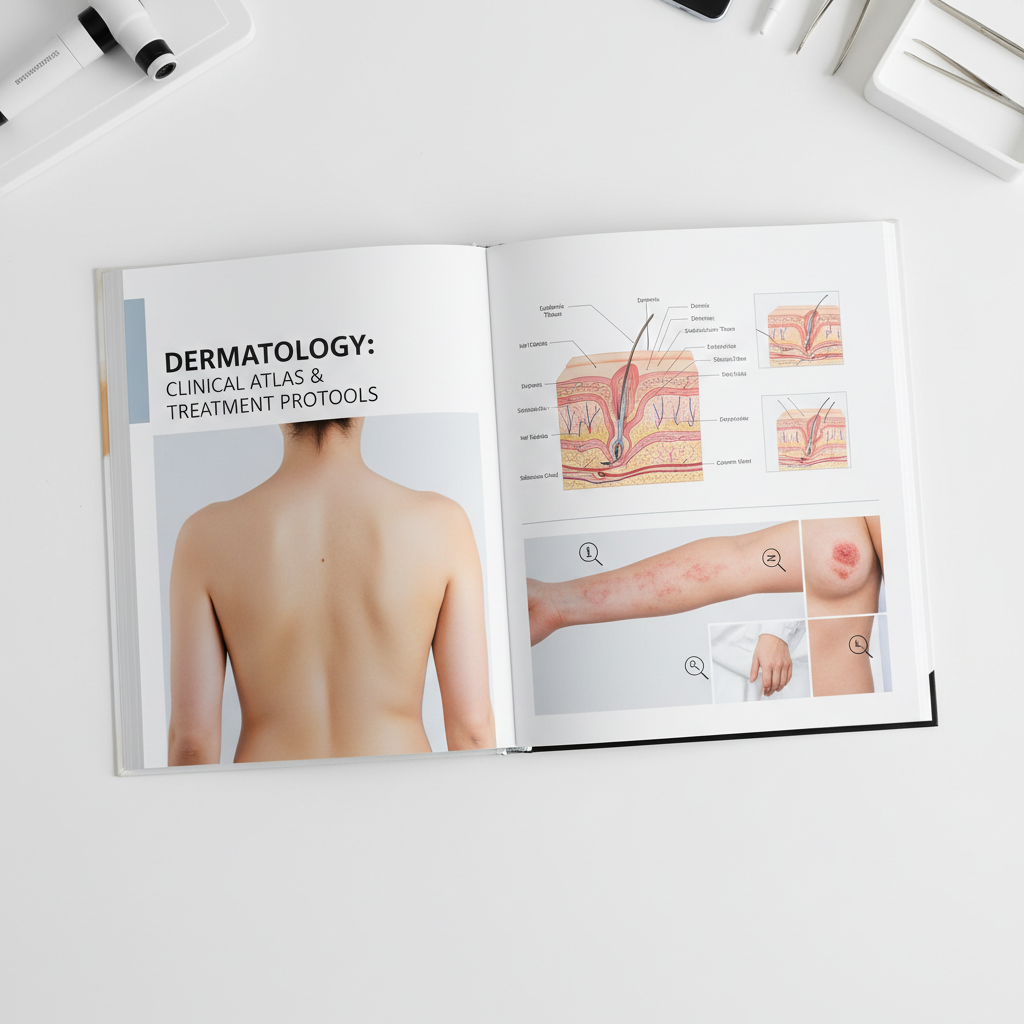
Consult Dermatology
The Patient's Guide to Skin Assessment
28 pages — Updated Feb 2026